
Blogs & Articles
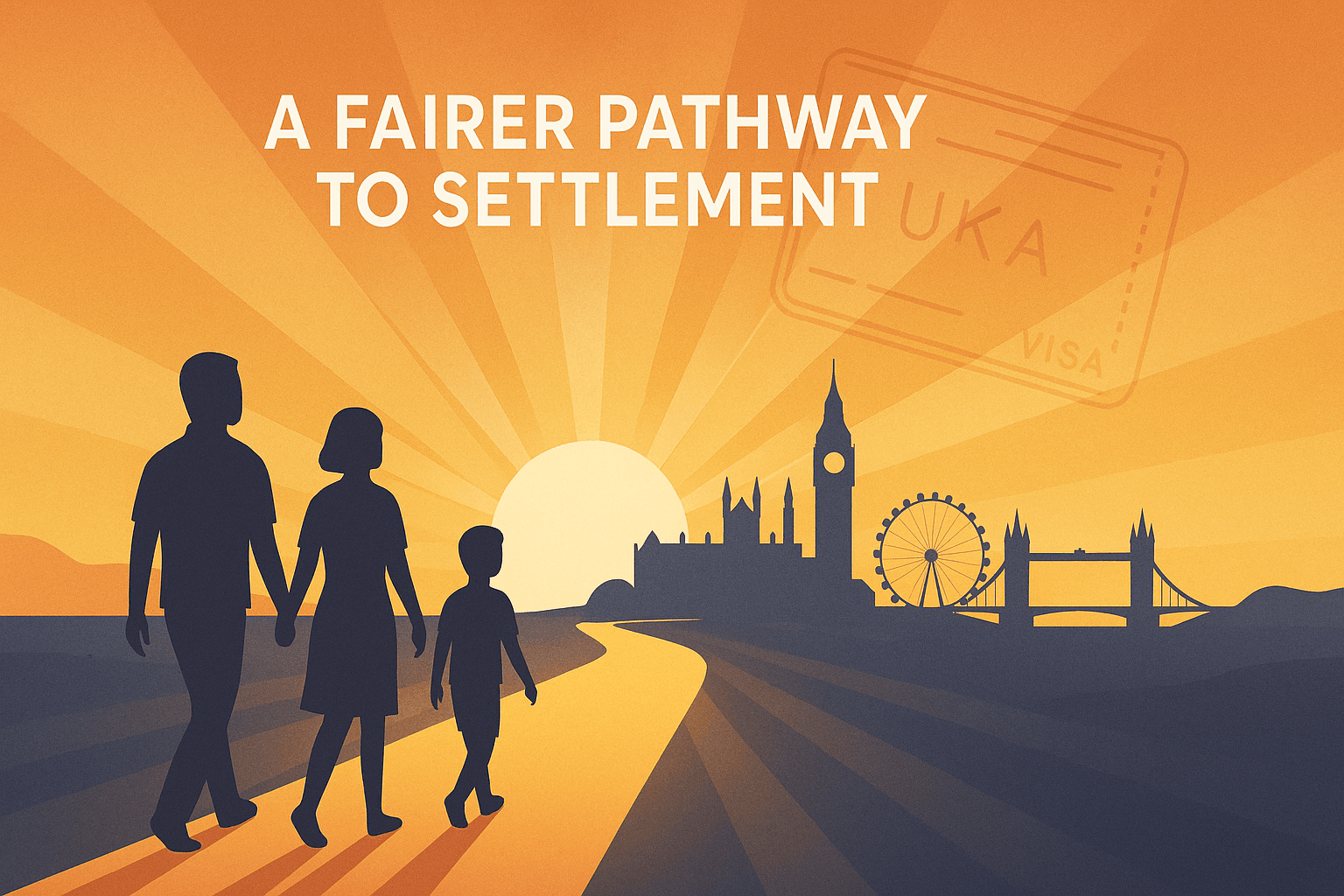
A fairer pathway to settlement: The future of ILR
- Author: A2Z Immigration
- Published On:November 29, 2025
- Category:News
- 7 min read
Following the Immigration White Paper introduced by the UK government in May of 2025, the Home Office has now released a new proposal to amend the existing pathways to settlement.

The new policy paper, “A fairer Pathway to Settlement” was released on 20 November 2025. The Home Office is now conducting a public consultation regarding these proposed changes and will be doing so until 12 February 2026.
This consultation will be open to anyone, including individuals, organisations and stakeholders who may be affected by or have an interest in the proposed changes. You can submit a consultation here.
The major changes proposed in the paper surround increasing the qualifying residence period for settlement (also known as indefinite leave to remain or ILR) from five to ten years. The Home Office has also put forward the idea of “earned settlement”, which will allow migrants to reduce the 10-year qualifying period through additional criteria relating to their contributions in the UK society and economy.
Who is safe/unaffected?
Often, when changes are put forward by the Home Office, some can be retroactively applied, which can lift the burden of people already in the system. However, with this new paper, the Home Office has clearly mentioned that the only people exempt from these rules will be those who have already become settled and received their ILR.
However, they have also suggested exceptions to certain visas to ensure they are not impacted by the suggested rules.
The visa categories exempt are:
Dependents of British citizens will still be on a five-year route to settlement. This includes those on a spouse/partner visa.
Family members and individuals under the British Nationals visa route.
The Innovator Founder and Global Talent visa holders will remain on a three-year pathway to settlement.
Note: The policy paper has not clarified whether the spouse/partner of an ILR holder will be exempt from these suggested changes. Additionally, under the concept of “earned settlement” certain factors can even extend the qualifying period for these visa holders.
Mandatory requirements
On top of the extension to the qualifying period for settlement, some additional mandatory rules have been suggested for every settlement application.
No criminal record: The applicant cannot have a criminal conviction or current litigation.
No debt: Applicants must ensure they no longer have any outstanding debt with the NHS, tax office or any other form of government debt.
Language requirement: The applicant must meet an English language requirement at level B2 (Upper intermediate level). Currently, the required English language requirement is level B1.
Life in the UK test: The applicant must ensure they pass this test.
Economic contribution: The applicant must have met an annual earnings threshold of £12,570 for a minimum of three to five years.
Reducing the 10-year qualifying period
As part of the proposed “earned settlement” scheme, the 10-year qualifying period may be reduced if an applicant meets certain specified criteria.
Note: Reductions from different categories cannot be stacked. The qualifying period will only be reduced by the number of years from whichever category offers the greatest reduction.
- English language requirement: If a candidate has acquired level C1 (Advanced English) then they are entitled to a one year reduction to the 10-year qualifying period.
- Economic contribution:
- If a candidate earns a taxable income above £125,140 for three years, then their qualifying period requirement will be reduced by seven years.
- If a candidate earns a taxable income above £50,270 for three years, then their qualifying period requirement will be reduced by five years.
- Specific roles: If the candidate is employed in specific public service roles like medical and teaching professionals at degree-level or higher, then their qualifying period will be reduced by five years.
- Volunteering: Working towards the greater benefit of your community by volunteering can reduce the qualifying period by three to five years.
Note: It has been clarified by the Home Office that earned taxable income can include UK income that is not derived from employment such as rental income.
Factors increasing the 10-year qualifying period
Individuals who have been the recipients of public funds, such as benefits, or those who have violated UK immigration laws, can see their qualifying period increased beyond the baseline 10-year period.
- Individuals who have claimed benefits for fewer than 12 months may have to wait for 15 years before qualifying for settlement.
- Those who claimed benefits for 12 months or more could have a 10-year increase to the qualifying residence period, meaning it would take them a total of 20 years to qualify for ILR.
- Applicants who arrived in the UK illegally, entered on a visit visa, or overstayed their permission for six months or more, may have their qualifying period increased by up to 20 years, meaning they would need 30 years before they could get ILR.
Lower Skilled Worker visas
A major part of the consultation involves the UK government considering whether to increase the baseline qualifying residence period for individuals who came to the UK specifically to work in occupations below RQF level 6. They have proposed that the baseline for this category could be 15 years instead of 10.
Conclusion
The proposed changes will greatly impact hundreds of thousands of people currently in the UK. Therefore, the government has opened the proposed policies to the public for consultation.
In the case that you, your employer or business are likely to be impacted by these proposed rules, then it is absolutely urgent for you to consult the government via the provided form by 12 February 2026.
If you are someone who is likely to be affected by these proposed policies and is unsure about how to handle this situation, please contact A2Z Immigration for a consultation.
Related Articles

UK Visa Fee Increases from 8 April 2026: Key Changes for Sponsors, Skilled Workers and Students
March 26, 2026

UK Visa Brake Explained: New Home Office Restrictions on Student and Skilled Worker Visas
March 9, 2026

UK Immigration Rules Changes 2026: Key Updates for Skilled Workers, Students, Asylum and Settlement
March 4, 2026
Categories
Book a call
Please give us more information to get started.
Feel free to share your opinion with us.